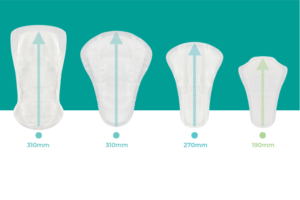

When choosing absorbent hygiene products, many people wonder about the difference between incontinence pads and sanitary pads. Although they may look similar, these two products are designed for completely different purposes.
A sanitary pad is mainly used for menstrual protection, while an incontinence pad is specially developed for bladder leakage and urinary incontinence management.
Choosing the right product based on your specific needs can provide better absorption, improved comfort, better skin protection, and greater confidence in daily life.
Understanding the Difference Between Incontinence Pads and Sanitary Pads
The key difference between an incontinence pad vs sanitary pad is the type of fluid they are designed to absorb.
Sanitary Pads: Designed for Menstrual Protection
Sanitary pads are feminine hygiene products designed to absorb menstrual blood during a woman’s period.
Menstrual flow usually occurs gradually and has a thicker consistency compared with urine. Therefore, sanitary pads are developed with absorbent materials suitable for menstrual protection.
Sanitary pads are commonly used for:
- Regular menstrual periods
- Light, medium, and heavy menstrual flow
- Daily feminine hygiene care
For users who need protection during menstruation, sanitary pads provide comfort and reliable coverage.
Incontinence Pads: Designed for Bladder Leakage Protection
Incontinence pads are designed specifically for people experiencing urine leakage or bladder control issues.
Unlike menstrual flow, urine can be released suddenly and quickly. This requires a different absorbent structure that can rapidly absorb liquid and lock moisture away.
Incontinence pads are suitable for:
- Light bladder leakage caused by coughing or sneezing
- Exercise-related urine leakage
- Postpartum bladder leakage
- Menopause-related bladder control concerns
- Age-related urinary incontinence
- Daily urinary leakage management
For people looking for the best pad for bladder leakage, choosing a product designed specifically for urine absorption provides better protection than using a standard sanitary pad.
How to Choose Between an Incontinence Pad and a Sanitary Pad?
Choosing the right product depends on your personal needs and the type of protection you require.
1. Identify the Type of Fluid You Need to Absorb
The first step in how to choose an incontinence pad or sanitary pad is understanding your situation.
Choose a Sanitary Pad If:
You need protection from:
- Menstrual blood
- Period flow
- Monthly feminine hygiene needs
A sanitary pad is designed to manage menstrual flow comfortably and effectively.
Choose an Incontinence Pad If:
You need protection from:
- Urine leakage
- Bladder weakness
- Unexpected leaks during daily activities
An incontinence pad provides faster absorption and better moisture control because it is designed specifically for urinary leakage.
2. Consider Your Absorbency Requirements
Absorbency is one of the most important factors when selecting hygiene products.
For Menstrual Protection
Sanitary pads are available in different sizes and absorbency levels depending on menstrual flow.
Users can choose products based on:
- Light flow
- Regular flow
- Heavy flow
- Overnight protection
For Urinary Leakage
Incontinence pads are available in different absorbency levels based on the severity of leakage.
Users may need different levels of protection depending on:
- Occasional light leaks
- Moderate leakage
- Heavy urinary incontinence
Selecting the correct absorbency level helps prevent leakage and improves wearing comfort.
3. Consider Comfort, Dryness, and Odor Control
Comfort is another important factor when choosing between an incontinence pad and sanitary pad.
Incontinence pads are designed with technologies such as:
- Rapid absorption layers
- Superabsorbent polymers
- Moisture-lock systems
- Odor control technology
These features help keep the skin dry and reduce discomfort caused by prolonged moisture exposure.
Sanitary pads focus mainly on menstrual comfort and protection. They are not designed to handle sudden urine flow or provide long-term urine odor control.
Can You Use a Sanitary Pad for Incontinence?
One of the most common questions is:
Can you use a sanitary pad for incontinence?
For very occasional and light leakage, a sanitary pad may provide temporary protection.
However, sanitary pads are not designed for urinary leakage. They may not absorb urine quickly enough, which can lead to:
- Increased risk of leakage
- Wet feeling against the skin
- Reduced comfort
- Poor odor control
For regular bladder leakage, an incontinence pad is a better choice because it is specifically designed for urine absorption and protection.
Choosing the Right Urinary Incontinence Products
With the increasing demand for personal care and healthcare products, choosing suitable urinary incontinence products has become increasingly important.
A high-quality incontinence pad should provide:
Fast Absorption
Quickly draws urine away from the skin and into the absorbent core.
Leak Protection
Helps prevent leakage during movement and daily activities.
Skin-Friendly Comfort
Maintains dryness and reduces irritation caused by moisture.
Confidence and Freedom
Allows users to continue daily activities without worrying about unexpected leaks.
Final Thoughts: Choose the Right Product for Your Needs
When comparing incontinence pads vs sanitary pads, the best choice depends on your specific needs.
- For menstrual protection → Choose a sanitary pad
- For bladder leakage → Choose an incontinence pad
Although they may look similar, their absorbent technology and intended use are different.
Understanding the difference between incontinence pads and sanitary pads helps consumers make better choices and find the right protection for their lifestyle.
At Jayfen Health, we specialize in developing reliable hygiene solutions, including sanitary pads, incontinence pads, nursing pads, and other personal care products, helping global partners provide high-quality products for different consumer needs.